ORSIF - Occupational Radiation Safety in Interventional Fluoroscopy

Protect Your Career.
Protect Your Life.

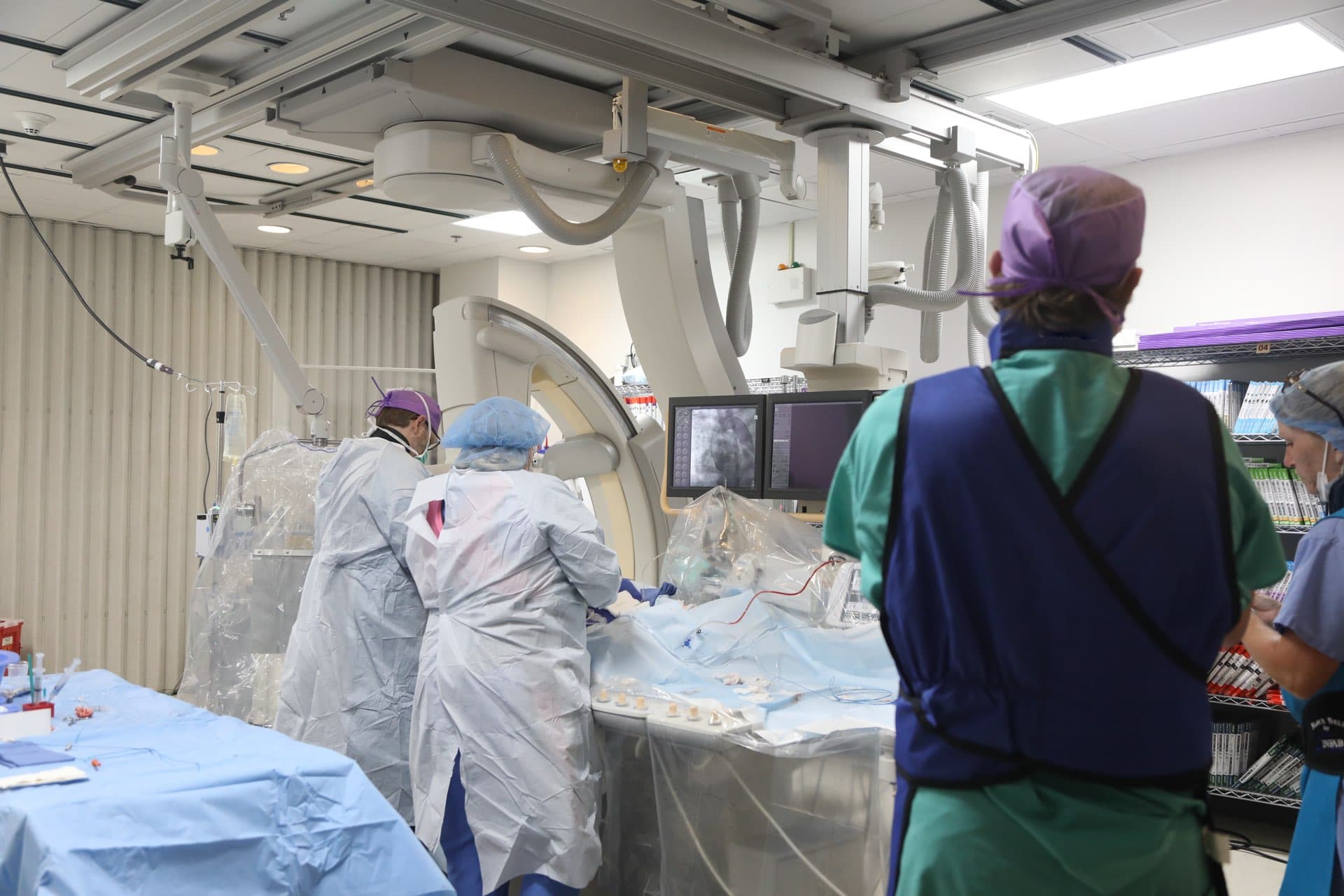
You dedicate your career to saving patients. ORSIF helps protect you from the hidden dangers of the fluoroscopy lab.

Free MembershipEvidence-Based600+ Members
Scroll to learn more

The Evidence Is Clear

Decades of research document the risks. Awareness is the first step to protection.

24M+
Fluoroscopy Procedures Annually
in the United States alone
6.1%
Cancer Incidence
among interventional cardiologists
85%
Left-Brain Tumor Predominance
in affected operators
59.8%
Orthopedic Injuries
reported by healthcare workers
Statistic: 50% of all healthcare workers are exposed to artificial and ionized radiation.
Statistic: 75% of interventional radiologists had orthopedic issues more than 5 times when radiation protection was worn 6 hours a day.
Quote: with increasing complexity of interventions requiring longer fluoroscopy, radiation safety and adherence to ALARA (As Low As Reasonably Achievable) are paramount.
Statistic: awareness of dose levels rises from 42.9% to 85.7% when real-time dosimetry is used.
Free Clinician Assessment: you provide life-saving care, how protected are you? Score your radiation and musculoskeletal risk in about 90 seconds at orsif.org/assessment. Free, anonymous, role-specific.
Statistic: one fourth of surveyed invasive cardiology staff did not wear a dosimeter, an opportunity for education and improvement.
Statistic: occupational hazards in interventional fluoroscopy carry an $88.7 million annual economic cost, up 81% from $49 million in 2018.
If you wear lead for a living, ORSIF is for you. Orthopedic stress: 60% of nurses and 62% of techs in interventional labs report work-related musculoskeletal pain. Cancer risk: 85% of documented brain tumors in interventional physicians were left-sided, nearest the X-ray source.
If you work in a fluoroscopy lab, ORSIF is for you. Urging nurses, techs, RSOs, physicists, physicians and admins to join: 700+ article library, guidelines and toolkits, 175+ FAQs, self-assessment tools. Membership is free.
Quote: an inadequate relationship between users and equipment can lead to radiation exposure, injuries, and musculoskeletal pain.
Quote: occupational dose has been rising with the increased sophistication of interventional radiology, making management of staff radiation doses more important.
Providing care in the fluoroscopy lab should not compromise your safety. Learn how to stay safe doing what you love. Join ORSIF.org.
Statistic: about 60% of interventional radiology workers develop musculoskeletal disorders, showing radiation safety and ergonomic injury are connected.
Quote: the success of radiation protection measures depends on the knowledge and expertise of the healthcare worker involved.
Quote: exposure levels for radiologic technologists varied more than tenfold depending on room position, proving radiation risk is as much about where you stand as what you do.
Message: lack of standardization and variability across US state requirements leads to uneven levels of radiation protection.
Quote: there is an urgent need to increase knowledge of the occupational risks of radiation exposure and to adopt technologies to reduce them.
You provide expert care in a challenging environment. Who protects you from radiation and orthopedic stress? ORSIF.org.
Women in Radiation, a four-film series with Women As One: Harriet Brooks, Edith Quimby, Rosalyn Yalow and Rosalind Franklin.
Your safety library, all in one place: Article Directory, Guidelines and Toolkits, Economic Impact Study. Explore free at ORSIF.org.
Quote: cath lab leadership worked with vendors to modify baseline acquisition settings and take better advantage of existing systems.
Message: tasks such as basic catheter placement do not require a great degree of image detail, so lower-dose imaging settings can be used.
Statistic: 87% of participants in a catheterization laboratory survey reported no formal radiation safety training.
Diagram showing that the patient receives radiation exposure from the radiation tube while operators are exposed to scatter radiation mainly from the patient.
Statistic: operator eye lens dose rate was about 3 times higher when the ceiling shield drifted behind the head, so shield position matters as much as whether it is used.
Statistic: 50% of all healthcare workers are exposed to artificial and ionized radiation.
Statistic: 75% of interventional radiologists had orthopedic issues more than 5 times when radiation protection was worn 6 hours a day.
Quote: with increasing complexity of interventions requiring longer fluoroscopy, radiation safety and adherence to ALARA (As Low As Reasonably Achievable) are paramount.
Statistic: awareness of dose levels rises from 42.9% to 85.7% when real-time dosimetry is used.
Free Clinician Assessment: you provide life-saving care, how protected are you? Score your radiation and musculoskeletal risk in about 90 seconds at orsif.org/assessment. Free, anonymous, role-specific.
Statistic: one fourth of surveyed invasive cardiology staff did not wear a dosimeter, an opportunity for education and improvement.
Statistic: occupational hazards in interventional fluoroscopy carry an $88.7 million annual economic cost, up 81% from $49 million in 2018.
If you wear lead for a living, ORSIF is for you. Orthopedic stress: 60% of nurses and 62% of techs in interventional labs report work-related musculoskeletal pain. Cancer risk: 85% of documented brain tumors in interventional physicians were left-sided, nearest the X-ray source.
If you work in a fluoroscopy lab, ORSIF is for you. Urging nurses, techs, RSOs, physicists, physicians and admins to join: 700+ article library, guidelines and toolkits, 175+ FAQs, self-assessment tools. Membership is free.
Quote: an inadequate relationship between users and equipment can lead to radiation exposure, injuries, and musculoskeletal pain.
Quote: occupational dose has been rising with the increased sophistication of interventional radiology, making management of staff radiation doses more important.
Providing care in the fluoroscopy lab should not compromise your safety. Learn how to stay safe doing what you love. Join ORSIF.org.
Statistic: about 60% of interventional radiology workers develop musculoskeletal disorders, showing radiation safety and ergonomic injury are connected.
Quote: the success of radiation protection measures depends on the knowledge and expertise of the healthcare worker involved.
Quote: exposure levels for radiologic technologists varied more than tenfold depending on room position, proving radiation risk is as much about where you stand as what you do.
Message: lack of standardization and variability across US state requirements leads to uneven levels of radiation protection.
Quote: there is an urgent need to increase knowledge of the occupational risks of radiation exposure and to adopt technologies to reduce them.
You provide expert care in a challenging environment. Who protects you from radiation and orthopedic stress? ORSIF.org.
Women in Radiation, a four-film series with Women As One: Harriet Brooks, Edith Quimby, Rosalyn Yalow and Rosalind Franklin.
Your safety library, all in one place: Article Directory, Guidelines and Toolkits, Economic Impact Study. Explore free at ORSIF.org.
Quote: cath lab leadership worked with vendors to modify baseline acquisition settings and take better advantage of existing systems.
Message: tasks such as basic catheter placement do not require a great degree of image detail, so lower-dose imaging settings can be used.
Statistic: 87% of participants in a catheterization laboratory survey reported no formal radiation safety training.
Diagram showing that the patient receives radiation exposure from the radiation tube while operators are exposed to scatter radiation mainly from the patient.
Statistic: operator eye lens dose rate was about 3 times higher when the ceiling shield drifted behind the head, so shield position matters as much as whether it is used.

Two Threats. Little Awareness.

ORSIF is the only organization addressing BOTH occupational hazards facing fluoroscopy lab personnel.

Invisible Threat: Radiation

Glowing red radiation trefoil symbol

Every time we step into the lab to save a life, we expose ourselves to the highest occupational radiation dose in medicine.

6.1%
Cancer incidence among interventional cardiologists
85%
Left-brain tumor predominance in affected operators
3%
Cancer risk increase per 10 mSv exposure

Silent Threat: Physical Damage

Orange lead apron pressing down on a spine

Lead aprons weighing 25-30 pounds, worn for hours on end. The cumulative damage is devastating.

59.8%
Of healthcare workers reporting orthopedic injuries
20%
Forced to limit their time in the cath lab
3x
Higher injury risk for interventional cardiologists

The hidden cost: $88.7 million annually in healthcare worker injuries

Who We Serve

ORSIF protects everyone in the fluoroscopy lab, from the physician at the table to the administrator setting safety policy.

Clinical Specialties

Interventional CardiologistInterventional CardiologyCardiac ElectrophysiologistInterventional RadiologistInterventional RadiologyInterventional NeurologyGastroenterology (GI)Orthopedic SurgeryNeurosurgeryVascular SurgeryStructural Heart Intervention ImageryAttending RadiologistRadiologist

Catheterization & Cardiology Staff

Cardiac Catheterization Laboratory ManagerCardiac Catheterization TechnicianCardiac Catheterization TechnologistCardiology FellowCardiology ResidentCardiology Nurse PractitionerCardiovascular Clinical Nurse SpecialistCardiovascular TechnicianCardiovascular TechnologistCardiac Physiologist

Radiation & Physics Professionals

Health PhysicistMedical PhysicistNuclear PhysicistRadiation Safety OfficerRadiation TherapistLead Radiation TherapistSenior Radiation TherapistRadiation Therapy ResidentRadiographerRadiology TechnicianRadiology TechnologyMedical Imaging

Nursing & Clinical Support

NursingMedical AssistantMedical DoctorMedical SpecialistMedical DirectorHealthcare Provider

Hospital Administration & Leadership

Hospital AdministratorChief Hospital AdministratorHospital DirectorHospital ManagerHealthcare ManagerDirector HealthcareDirector of CardiologyAssistant Director of CardiologyElectrophysiology (EP)

What the Experts Are Saying

Leading researchers and clinicians are sounding the alarm.

Every 10 millisieverts of low-dose ionizing radiation has a 3% increase in the risk of age and sex adjusted cancer. There's very little data on the actual permanent damage or mechanism of action of radiation on our DNA.
SIRP Symposium ResearcherSession 2: Radiation Exposure & Your Body
60% of respondents had at least one orthopedic injury with a third stating they had experienced lumbar spinal injuries. 20% were forced to limit their time in the Cath lab.
Dr. Audra KocherBrigham and Women's Hospital
We're interested in the real world. What does this mean for staff? What are the actual risks to the people standing beside the patient every day?
Dr. Andy RogersNottingham University Hospitals
Standing by the X-ray tube is the worst position — there's about a 10x difference in scatter dose rate between tube-side and detector-side.
Dr. Andy RogersLead Interventional Medical Physicist
38% of interventional cardiologists develop posterior lens opacities. The location of the cataract tells you the cause — it's radiation.
SIRP Symposium ResearcherSession 2: Radiation Exposure & Your Body
The left side of the head receives 6x more radiation than the right side in the angio suite — contributing to the left-sided brain tumor predominance we see in operators.
SIRP Symposium ResearcherSession 2: Radiation Exposure & Your Body
Not everyone is equally vulnerable. Genetic factors affect DNA repair capability, yet no screening exists before entering radiation-exposed careers.
SIRP Symposium ResearcherSession 2: Radiation Exposure & Your Body
Lead-free environments using advanced radiation protection devices showed significant reduction in high-risk spine positions and muscle strain.
Dr. Audra KocherBrigham and Women's Hospital
The Ergo Cath study quantified what we've always known anecdotally — wearing lead for hours causes measurable muscle fatigue and spinal strain that compounds over a career.
Dr. Audra KocherBrigham and Women's Hospital
60 to 62% of techs and nurses report neck and back pain from wearing lead protection all day, every day. This isn't just discomfort — it's career-ending injury.
Bailey RichardsonCath Lab Nurse, 10+ Years
21% of nurses and techs have radiation-related lens changes leading to cataracts — and no lower dose threshold has been identified.
Bailey RichardsonCath Lab Nurse, 10+ Years
Cath lab culture often minimizes radiation risks. It's our dirty little secret that needs more open discussion and awareness.
Bailey RichardsonCath Lab Nurse, 10+ Years
Three core principles of radiation safety that should never be ignored: Time, Distance, and Shielding. Every team member needs to understand and practice all three.
Bailey RichardsonCath Lab Nurse, 10+ Years
OSHA's ionizing radiation standard hasn't been revised since the early 1970s. The legal and ethical responsibilities of institutions remain poorly defined.
SIRP Roundtable PanelistPathways to Protection
CMS conditions of participation may be the most effective lever for change — the power of the purse through accreditation requirements.
SIRP Roundtable PanelistPathways to Protection
ALARA means As Low As Reasonably Achievable. Current standard protection is de facto non-compliant since better options exist today.
SIRP Roundtable PanelistPathways to Protection
70% of healthcare workers surveyed said they would walk away from jobs without adequate radiation protection. This is a recruitment and retention crisis.
SIRP Roundtable PanelistPathways to Protection
Your most important resources are your human resources. These people have lives, families, and futures. Prevention is better than cure — what is the harm in setting protective measures in place?
SIRP Symposium PanelistSIRP 2025 Closing Remarks
Every 10 millisieverts of low-dose ionizing radiation has a 3% increase in the risk of age and sex adjusted cancer. There's very little data on the actual permanent damage or mechanism of action of radiation on our DNA.
SIRP Symposium ResearcherSession 2: Radiation Exposure & Your Body
60% of respondents had at least one orthopedic injury with a third stating they had experienced lumbar spinal injuries. 20% were forced to limit their time in the Cath lab.
Dr. Audra KocherBrigham and Women's Hospital
We're interested in the real world. What does this mean for staff? What are the actual risks to the people standing beside the patient every day?
Dr. Andy RogersNottingham University Hospitals
Standing by the X-ray tube is the worst position — there's about a 10x difference in scatter dose rate between tube-side and detector-side.
Dr. Andy RogersLead Interventional Medical Physicist
38% of interventional cardiologists develop posterior lens opacities. The location of the cataract tells you the cause — it's radiation.
SIRP Symposium ResearcherSession 2: Radiation Exposure & Your Body
The left side of the head receives 6x more radiation than the right side in the angio suite — contributing to the left-sided brain tumor predominance we see in operators.
SIRP Symposium ResearcherSession 2: Radiation Exposure & Your Body
Not everyone is equally vulnerable. Genetic factors affect DNA repair capability, yet no screening exists before entering radiation-exposed careers.
SIRP Symposium ResearcherSession 2: Radiation Exposure & Your Body
Lead-free environments using advanced radiation protection devices showed significant reduction in high-risk spine positions and muscle strain.
Dr. Audra KocherBrigham and Women's Hospital
The Ergo Cath study quantified what we've always known anecdotally — wearing lead for hours causes measurable muscle fatigue and spinal strain that compounds over a career.
Dr. Audra KocherBrigham and Women's Hospital
60 to 62% of techs and nurses report neck and back pain from wearing lead protection all day, every day. This isn't just discomfort — it's career-ending injury.
Bailey RichardsonCath Lab Nurse, 10+ Years
21% of nurses and techs have radiation-related lens changes leading to cataracts — and no lower dose threshold has been identified.
Bailey RichardsonCath Lab Nurse, 10+ Years
Cath lab culture often minimizes radiation risks. It's our dirty little secret that needs more open discussion and awareness.
Bailey RichardsonCath Lab Nurse, 10+ Years
Three core principles of radiation safety that should never be ignored: Time, Distance, and Shielding. Every team member needs to understand and practice all three.
Bailey RichardsonCath Lab Nurse, 10+ Years
OSHA's ionizing radiation standard hasn't been revised since the early 1970s. The legal and ethical responsibilities of institutions remain poorly defined.
SIRP Roundtable PanelistPathways to Protection
CMS conditions of participation may be the most effective lever for change — the power of the purse through accreditation requirements.
SIRP Roundtable PanelistPathways to Protection
ALARA means As Low As Reasonably Achievable. Current standard protection is de facto non-compliant since better options exist today.
SIRP Roundtable PanelistPathways to Protection
70% of healthcare workers surveyed said they would walk away from jobs without adequate radiation protection. This is a recruitment and retention crisis.
SIRP Roundtable PanelistPathways to Protection
Your most important resources are your human resources. These people have lives, families, and futures. Prevention is better than cure — what is the harm in setting protective measures in place?
SIRP Symposium PanelistSIRP 2025 Closing Remarks

The Cost of Doing Nothing

A career in the cath lab without protection follows a predictable path.

Year 1-5

Daily radiation exposure accumulates. Subclinical DNA damage begins. No symptoms yet.

Year 5-10

Chronic back pain sets in. Cervical disc disease develops. You push through.

Year 10-15

Cataracts forming. Thyroid irregularities. Colleagues start leaving the lab.

Year 15-20

Career-limiting injuries. Forced to reduce procedures. The damage is done.

It Doesn't Have to Be This Way

ORSIF exists to break this cycle. Free resources, expert guidance, and a community fighting for change.

Everything You Need to Stay Safe

Free access to the resources that matter most.

SIRP Webinar Archive

SIRP Webinar Archive

Recorded sessions from the Global Symposium on Interventional Radiation Protection, with transcripts

Guidelines Library

Guidelines Library

US and international radiation safety guidelines in one searchable database

Research Updates

Research Updates

Curated summaries of the latest occupational safety studies

Safety Tools

Safety Tools

Downloadable checklists, assessment forms, and protocols

Events & Training

Events & Training

Access to symposiums, conferences, and continuing education

Advocacy Updates

Advocacy Updates

Stay informed on regulatory changes and policy developments

Get Free Access Now

No credit card required. Instant access.

Corporate Sponsors

ACIST MedicalAngioSystemsCenterline BiomedicalEgg MedicalImricorRadiation Detection CompanyRADPADRAMPART ICZero-Gravity

Every Day You Wait Is Another Day of Exposure.

ORSIF membership is free. The cost of inaction is not.

Join ORSIF — It's Free

Join 600+ professionals committed to radiation safety.